Here in the UK outdoor cats are the norm. In fact, it’s quite unusual to meet someone who has access to a garden, but an indoor cat. Which has left me in a little bit of an unusual conundrum. Because I desperately want a Ragdoll cat, and it’s almost universally agreed that they have to live indoors.
I’ve researched the living daylights out of the breed, I adore how they look, and despite the potential drawbacks, I have my heart set on one. But, I also have an outdoor cat.
Oscar is an older tuxedo cat, now pushing fifteen years. He’s settled, set in his ways and very happy with his access to the outside world. He’s always been good natured with other cats, making ‘friends’ with the neighboring kitties, and even playing with kittens on occasions. I’m not too worried about giving him a housemate, my only real concern is the cat flap.
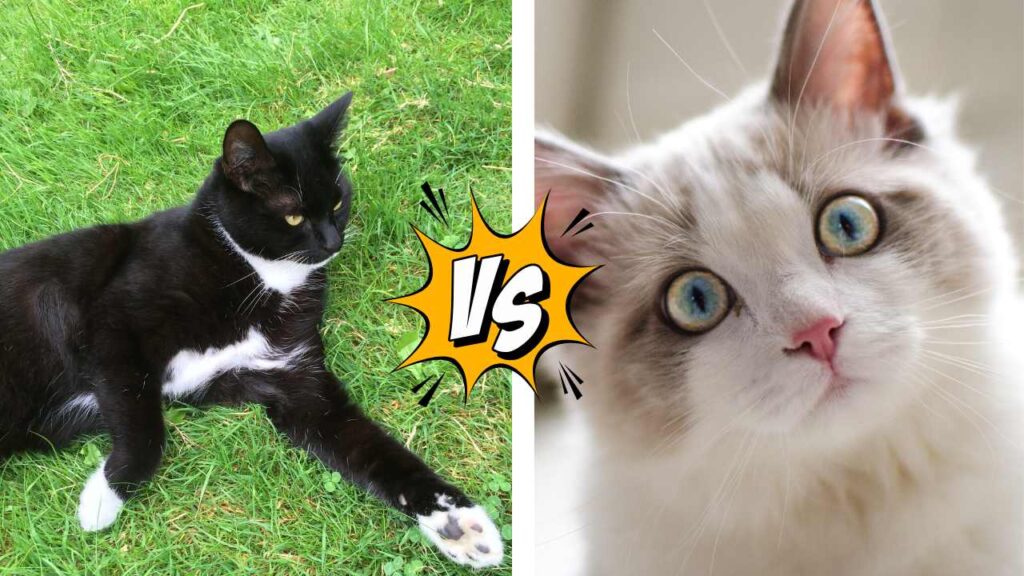
Why The UK Let Our Cats Outdoors
Outdoor cats are common in the UK largely because the risks are lower than in other parts of the world. There are no local birds or mammals that can predate them, and because of the normality of being let outdoors our cats tend to be naturally cautious of cars and safe on the roads. This is probably helped in part because over the past few generations, only those cats which were timid around traffic lived for long enough to reproduce.
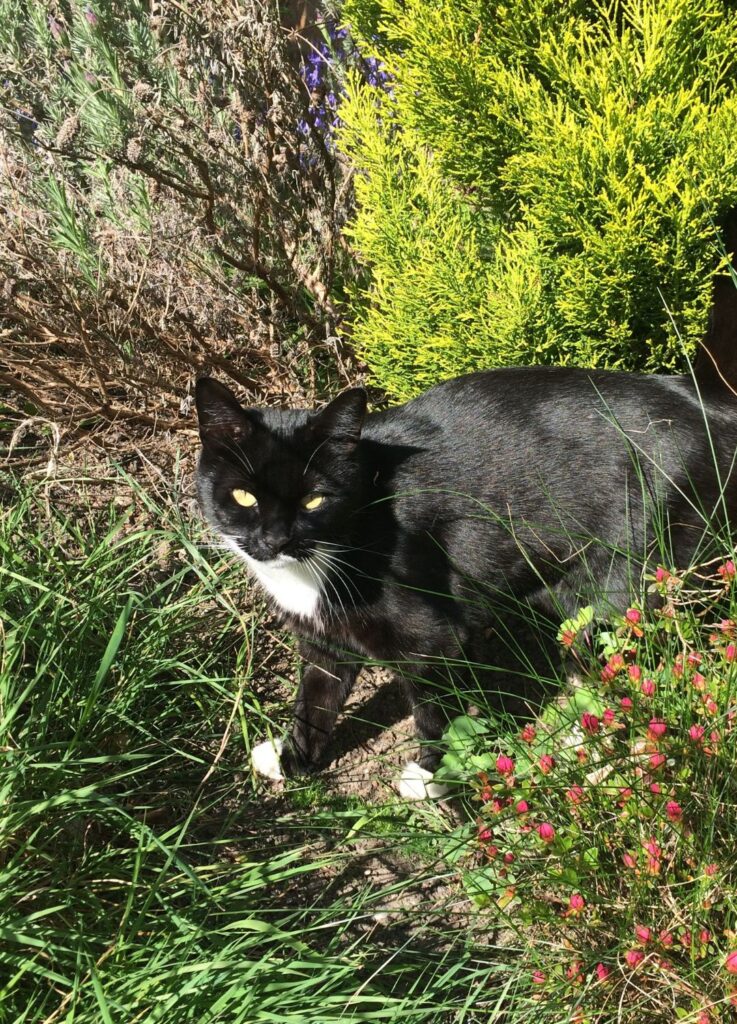
Outdoor Dangers
Oscar is cautious around cars, despite the quietness of our road, and very careful when out and about. A Ragdoll cat would have literally no genetics to create these streetwise traits.
Ragdoll cats are also well known for being gentle natured, beautiful, and as a result, a massive target for cat thieves. I don’t live in a very busy area, but you get a lot of footfall from dog walkers in summer and a cat like that is not going to slip under the radar for long.
They are also bred for their looks and temperament, unlike my moggy who was accidentally bred from a rescued cat (who the owners had been assured was neutered), who’d clearly met a street savvy Tom cat once she’d been allowed out.
So despite the current flavour in the UK being outdoor based, any Ragdoll cat of mine would need to be kept in.
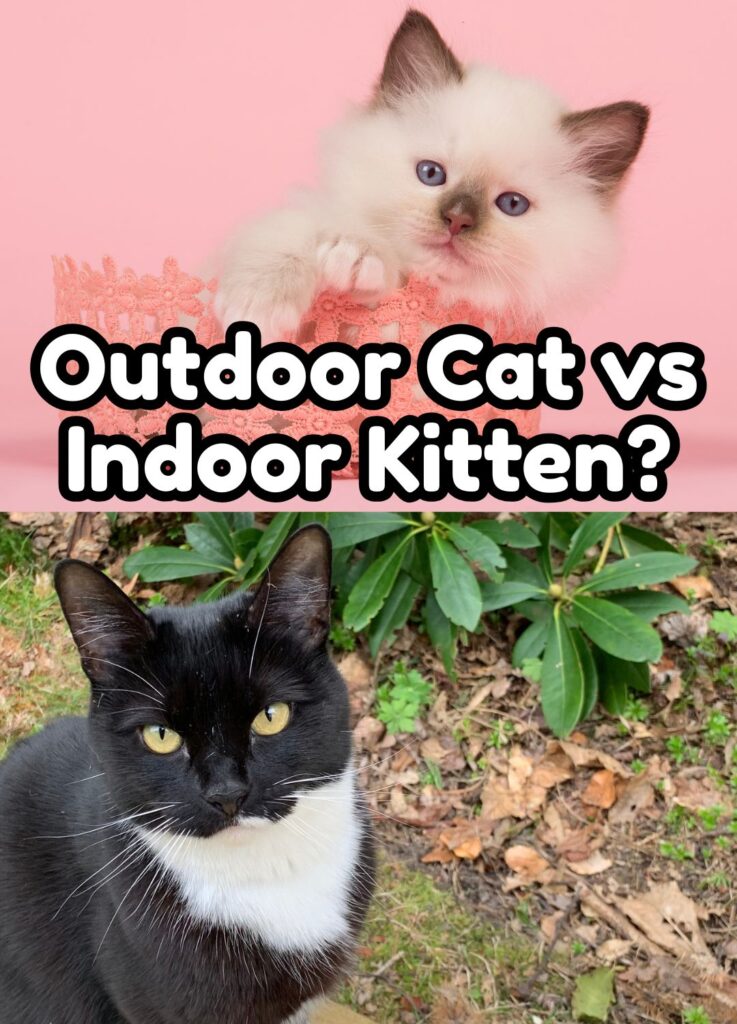
Making A Plan
What I need is a really Good Plan. One worthy of the capital letters. It will start off fairly simply, but get more elaborate as time goes on…
Kitten Stage
The kitten stage, on paper, should be the easiest in this regard. (Though it will have its challenges in every other way!)
Kittens need limited access to the house, and other cats, to begin with anyway. For the first few days I would limit her access to just the living room and conservatory. I’d get my kids to practice keeping the internal doors shut, and Oscar out.
Once I’m confident she’s got her paws under the table, or the sofa as the case would be, I would gradually introduce them.
His time spent with her will be limited and supervised.

Opening Up The House
Once she’s settled and reliably using her litter box, I’ll open up the house a room at a time. Everyone will need to learn to be careful with the front door, but plenty of indoor cat owners manage that hurdle okay.
The issue will be letting Oscar have access to the outside, without giving her the same. And I think I’ll get around that to begin with by leaving a downstairs window open that he can jump up to but that she couldn’t reach yet.
But that won’t work for long.
Keeping The Door Shut
In the longer term, the only answer really is to prevent Oscar having access to outside in the way that he’s grown accustomed.
He can be in the utility room with access to the cat flap overnight, but he’ll have to ask to go out the rest of the time.
Oscar has no qualms about letting me know when he wants to come in or out of doors, but it’s a step he doesn’t often need to take at the moment.
Is It Fair?
The real question here, now that I’ve worked through the logistics, is whether the benefits to Oscar of a new friend will outweigh the loss of independence?
He’s fifteen now, and understandably set in his ways. But he also spends less time outdoors, and is very able to communicate his needs with us.
But, is the reasonable thing to do to not risk unsettling him? We love our old man so much, perhaps the best decision right now is to not make a decision and just wait for the future to unfold.
On balance, having allowed you to walk through this decision with me, I think for my family and our senior cat, the right choice is to not bring an indoor cat into the equation. But what about you? Would you consider combining indoor and outdoor life, or switching your cat’s situation in order to enable a new arrival? I’d love to hear your thoughts in the comments!
I have the most beautiful tom ragdoll i let him roam in my garden but a fight broke out with next doors tom cat .my cat tigger has been neutered i don’t know if next doors cat has been neutered but he has been known to eat my triggers food so know I have to feed tigger on a high table where he feels safe .next doors cat has been known to pinch tiggers dental treats as well. Is it natural for my cat tigger to have the zooming and move and hide when I get up?